You have an active payment session in another browser, you can not edit the cart contents
Total products products
Show All

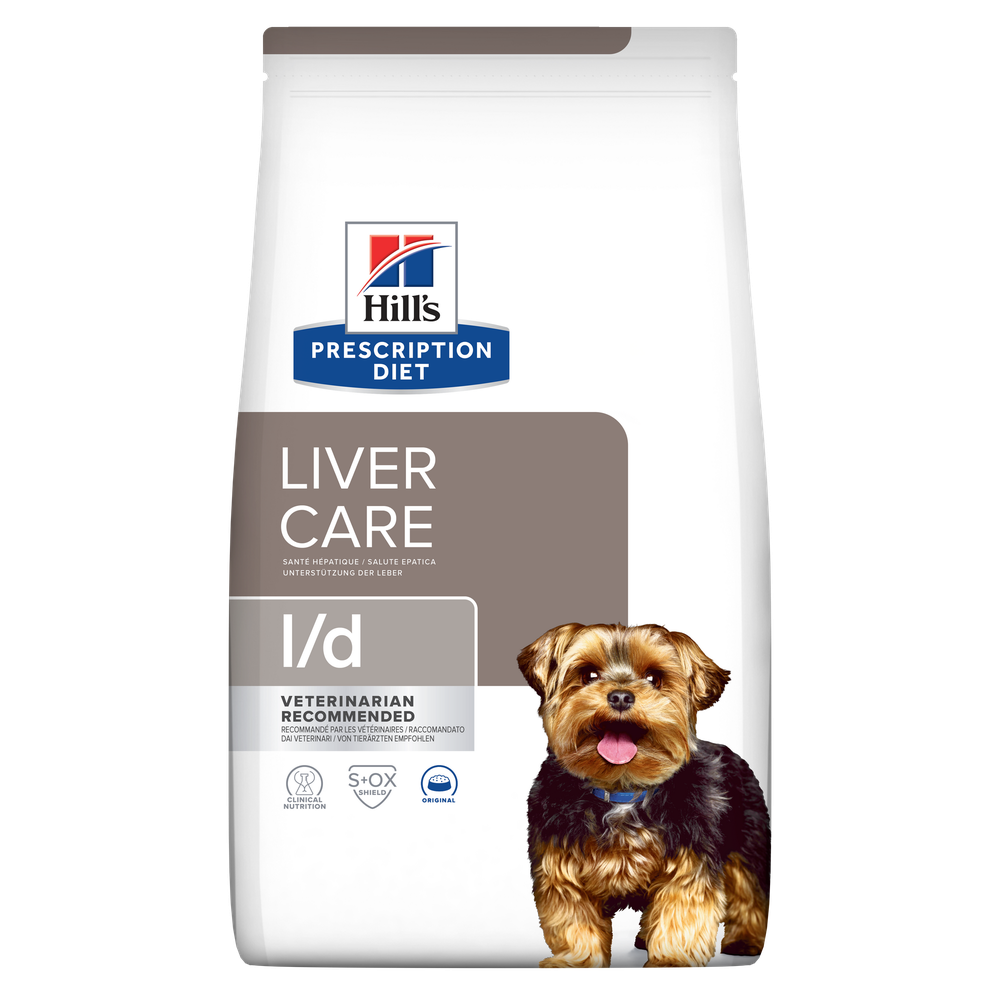
The liver is your dog's largest internal organ with many functions, including metabolising and conversion of nutrients, the removal of toxic substances from the blood and the storage of vitamins and minerals. The liver has an amazing ability to repair and regenerate itself, and nutrition plays a vital role in this process.
ingredients:
Nutritional additives: 3b103 (Iron) 19.7mg, 3b202 (Iodine) 1.3mg, 3b502 (Manganese) 3.9mg, 3b603 (Zinc) 136mg, 3b801 (Selenium) 0.2mg, with natural antioxidant.
COMPOSITION: Cereals, oils and fats, vegetable protein extracts, eggs and egg derivatives, seeds, minerals, meat and animal derivatives, derivatives of vegetable origin. Protein sources: Soybean meal, dried whole eggs, maize gluten meal.
ANALYTICAL CONSTITUENTS: Protein 16.7%, Fat content 21.9%, Crude fibre 2.4%, Crude ash 5.2%, Calcium 0.78%, Phosphorus 0.55%, Sodium 0.17%, Potassium 0.86%, Magnesium 0.12%; per kg: Vitamin A 27,814IU, Vitamin D3 715IU, Vitamin E 550mg, Vitamin C 90mg, Beta-carotene 1.5mg, Total copper 2.9mg.
COMPOSITION: Cereals, oils and fats, vegetable protein extracts, eggs and egg derivatives, seeds, minerals, meat and animal derivatives, derivatives of vegetable origin. Protein sources: Soybean meal, dried whole eggs, maize gluten meal.
Analytical components:
Moisture 8 %
Protein 16.7 %
Fat 21.9 %
Carbohydrate (NFE) 46.4 %
Crude fibre 2.4 %
Crude Ash 5.2 %
Calcium 0.78 %
Phospohorus 0.55 %
Potassium 0.86 %
Sodium 0.17 %
Magnesium 0.121 %
Copper 2.9 ppm
Zinc 157 ppm
Taurine 0.1 %
Vitamin A 27814 IU/kg
Vitamin C 102 ppm
Vitamin D 715 IU/kg
Vitamin E 603 IU/kg
Omega-3-fatty acids 0.84 %
Omega-6-fatty acids 3.79 %
Beta-carotene 2.72 ppm
L-carnitine 349.3 ppm
Feeding Tips :
Ask your veterinarian for specific feeding instructions for your pet. This is only a guide. Grams are the most accurate form of measurement